

Industry


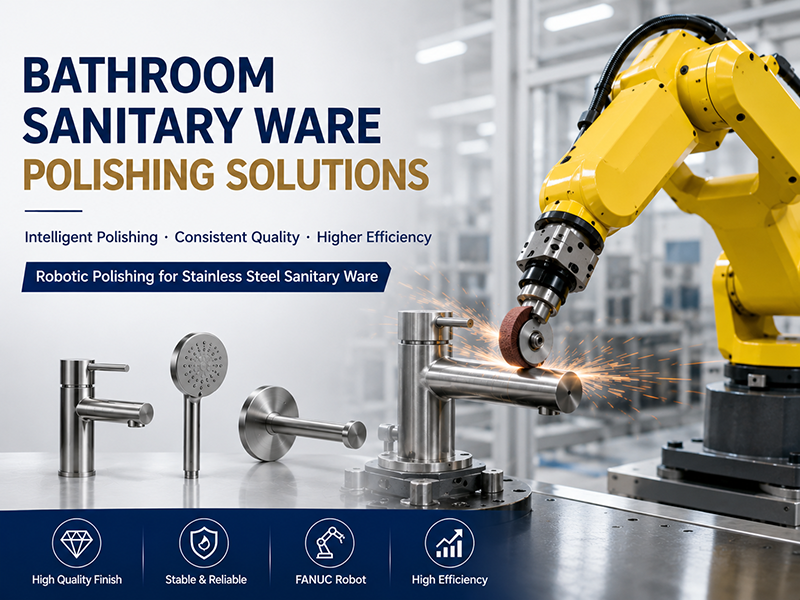


Robotic Weld Grinding Basics
Weld grinding is a critical step in metal fabrication, used to smooth weld seams, remove excess material, and prepare surfaces for finishing. Traditional manual grinding can be inconsistent and labor-intensive, while robotic systems provide a more efficient and precise solution.

What Is Wear Compensation Technology
In polishing and grinding processes, tools such as abrasive belts, wheels, and polishing heads gradually wear down over time. This wear directly affects polishing quality, consistency, and efficiency.
Wear compensation technology is designed to automatically adjust for these changes.

6-Axis Robots for Curved Surface Polishing
Curved and complex surfaces are widely used in industries such as automotive, sanitary ware, and hardware manufacturing. Achieving consistent polishing quality on these surfaces is challenging with manual processes. 6-axis robotic polishing systems provide an efficient and precise solution.

Energy Consumption in Polishing
Energy consumption is a critical factor in metal polishing and grinding processes. It directly affects production costs, efficiency, and environmental impact. Understanding and optimizing energy use is essential for modern manufacturing.

Pressure Control in Polishing
In metal polishing and grinding processes, pressure control is one of the most critical factors affecting surface quality, efficiency, and tool life. Advanced polishing systems use precise force control to ensure optimal results.